Government Lies Unmasked: The Twisted Art of Deception in Politics
A dash of deception here, a dollop of fiction there, and bam! We’ve got ourselves a lip-smacking concoction that leaves us craving for more.
Citizen Writers Fighting Censorship by Helping Americans Understand Issues Affecting the Republic.
A dash of deception here, a dollop of fiction there, and bam! We’ve got ourselves a lip-smacking concoction that leaves us craving for more.
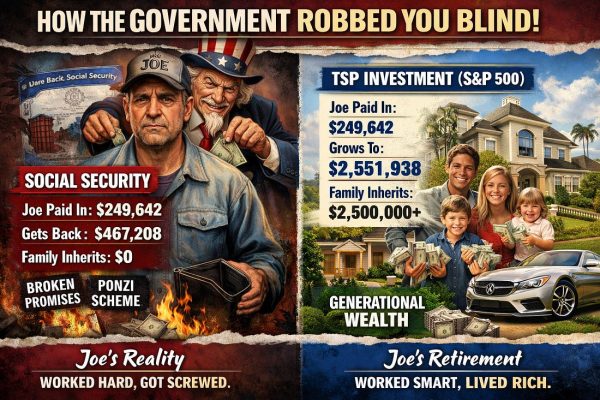
If you have high blood pressure, you may want to stop reading now!
I’m about to show you how the federal government has been ROBBING you blind for your entire working life, and the numbers are going to make you absolutely FURIOUS.
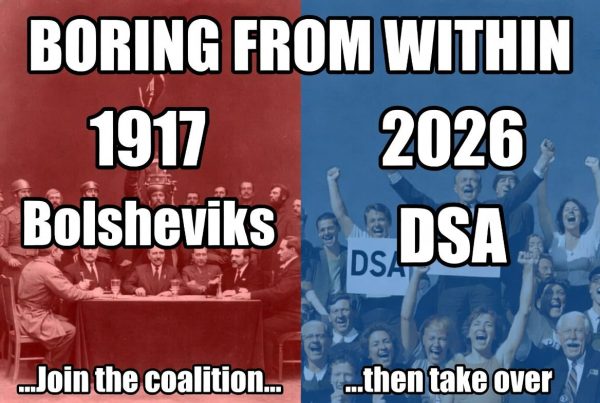
The Democratic Socialists of America have achieved some shocking successes in primaries in the US this year, especially in New York and now Denver where a youthful far left radical defeated a 15-term incumbent and member of the Congressional Progressive Caucus.

Panelists Lisa Boothe and Ned Ryun analyze the impact of New York City Mayor Zohran Mamdani’s socialist agenda on the Big Apple on ‘The Ingraham Angle.’

Federal, state, and local authorities failed to keep an animal away from the public. Tampon Tim wanted to insure he stays as a threat.

Rep. Bryan Steil, R-Wis., details the House of Representative’s busy legislative week, aiming to pass critical bills including the SAVE America Act, on ‘The Bottom Line.’

Today in Cloft’s Corner, Dave channels President Eisenhower and his warning, “Beware the Military Industrial Complex.”
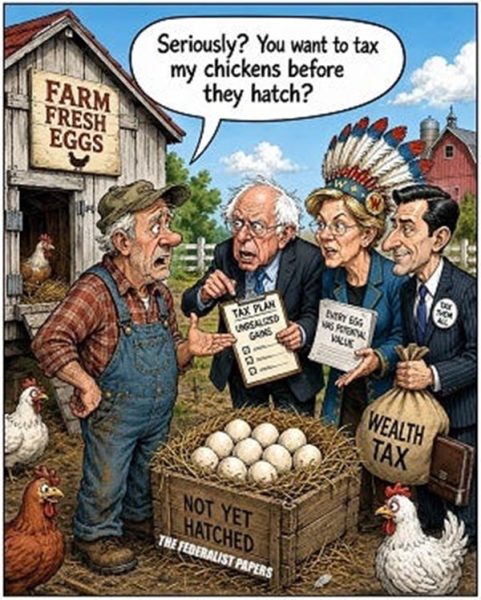
Don Surber’s roundup of this week’s news items is more enlightening than the actual reporting. Enjoy!
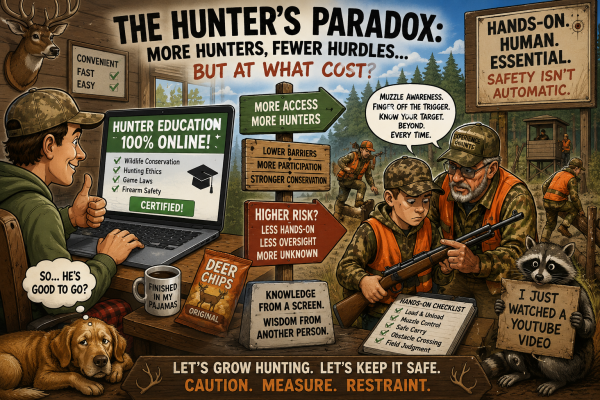
**The Hunter’s Paradox:** We want more hunters, so we remove barriers. More online classes. More convenience. More participation. But when the tool in your hands is capable of taking a life, is convenience always the right answer? As a Hunter Education instructor and retired Army officer, I believe knowledge can come from a computer—but safe gun handling must be passed from one human being to another. The future of hunting depends on growing our ranks without compromising the traditions and safety that built them.
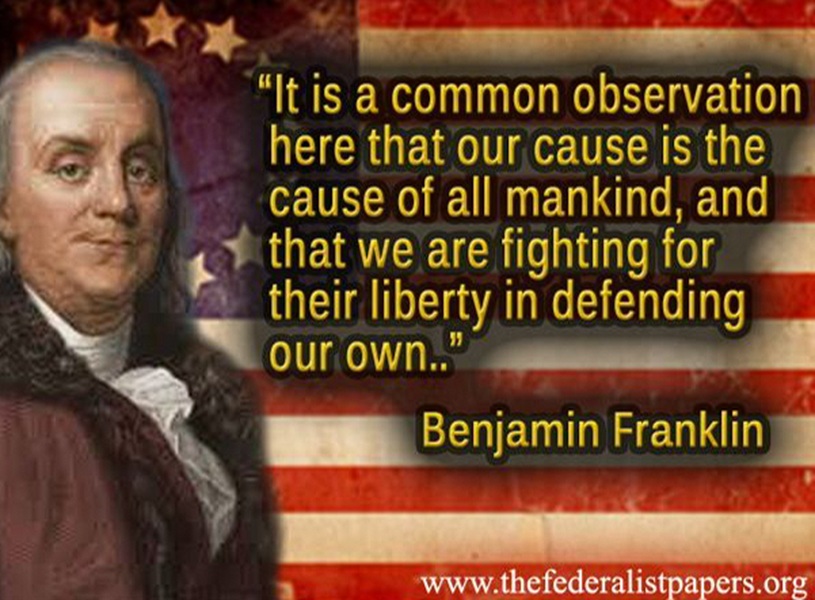
Upon exiting the Constitutional Convention, a lady of some renown (Elizabeth Powel) asked Dr. Franklin, ‘Well, Doctor, what have we got, a republic or a monarchy?” Franklin replied, “A republic, if you can keep it.” 9/18/1787

‘Fox & Friends Weekend’ co-host Charlie Hurt and The Federalist elections correspondent Brianna Lyman discuss socialism within the Democratic Party on ‘Hannity.’

Mitch McConnell is AWOL, and his handlers haven’t even provided proof of life (or mental acuity). The rally around “20-minute phone calls” and “cogent conversations on important issues” crap reminds me of the Democrats’ “gravitas maneuver” during the 2000 presidential campaign.
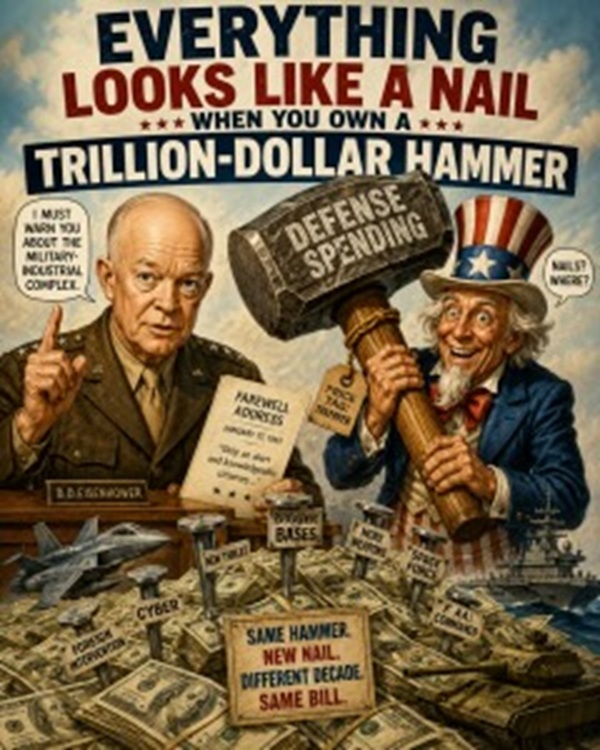
Eisenhower didn’t warn America about a foreign army. He warned us about ourselves. A five-star general looked into the future and cautioned that a permanent military, a permanent defense industry, and a permanent government bureaucracy could become so intertwined that only an “alert and knowledgeable citizenry” could keep them in check. Sixty-five years later, we spend roughly a trillion dollars a year on national defense, the Pentagon still can’t earn a clean financial audit, and many Americans know more about celebrity gossip than federal spending. The question isn’t whether Eisenhower was right. The question is whether we’re still the alert and knowledgeable citizens he believed liberty required.

Sen. Rick Scott, R-Fla., discusses GOP efforts to pass the SAVE America Act before Congress’ August recess and the United States resuming a naval blockade of the Strait of Hormuz on ‘The Bottom Line.’
One thing I noticed during my 34 years (1986 to 2020) practicing law in Oregon, if you knew how to play the game, non-disabled people could “qualify” for monthly Social Security Disability benefits which, if one timed it right, would guarantee lifelong monthly payments more than the person would receive as a retiree. Share STEP …
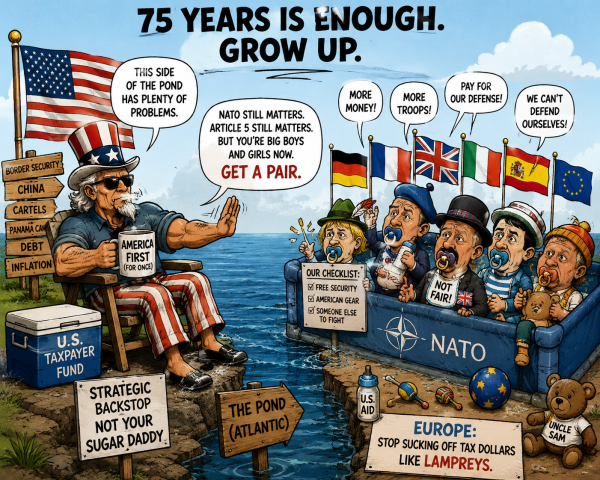
For 75 years, America has been Europe’s security blanket. Maybe it’s time to fold it up. The Monroe Doctrine wasn’t about policing the entire planet—it was about protecting our own hemisphere first. NATO still matters. Article 5 still matters. But Europe’s wealthy democracies aren’t helpless children anymore. Build your armies. Fund your defense. Guard your own neighborhood. Uncle Sam can still be the backstop—but it’s time to stop treating him like an unlimited credit card with a standing military attached.
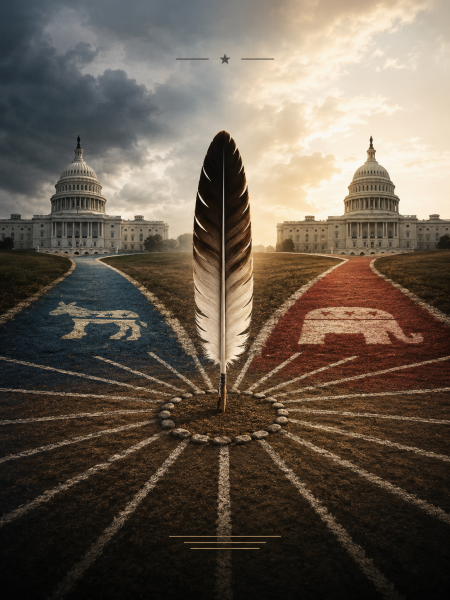
The myth that America would magically function better with more political parties ignores one stubborn fact: more factions don’t automatically create more agreement. Look at the 574 federally recognized tribal governments. They don’t speak with one voice—and they shouldn’t be expected to. The 2022 renaming of 643 geographic features proved that even within Native communities, history, language, and culture are far more complex than Washington’s one-size-fits-all solutions. Diversity of opinion is a strength, but pretending there’s only one “correct” voice is politics masquerading as consensus.
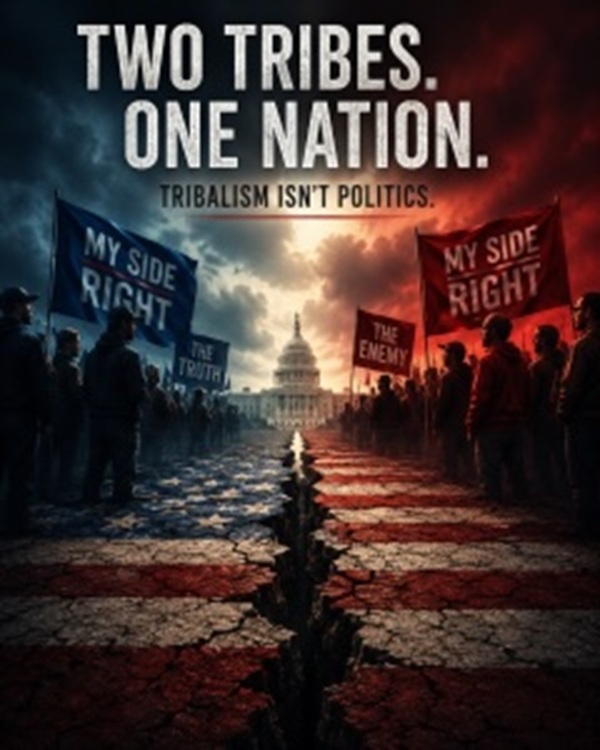
The real problem isn’t that America has two political parties—it’s that we’ve rediscovered tribalism. I remember growing up in the 1980s when your “tribe” was mostly your family, your neighborhood, your church, or the people your parents spent time with. Democrats and Republicans certainly disagreed, but most Americans weren’t immersed in the other side’s outrage 24 hours a day. Social media changed that. Today we’re constantly exposed to the loudest, angriest voices from the “other tribe,” and algorithms profit by keeping us divided, suspicious, and emotionally invested in conflict. Every insult, every viral clip, and every political flashpoint reinforces the idea that our fellow Americans are enemies rather than neighbors. When political hatred escalates into threats or acts of violence—including attacks targeting public figures—it should remind us that tribalism, left unchecked, stops being politics and starts becoming something far more dangerous. A constitutional republic cannot survive if our highest loyalty is to the tribe instead of to the principles that bind us together.

Noble Mobile CEO Andrew Yang explains his support of the newly launched Trump Accounts on ‘Saturday in America.’
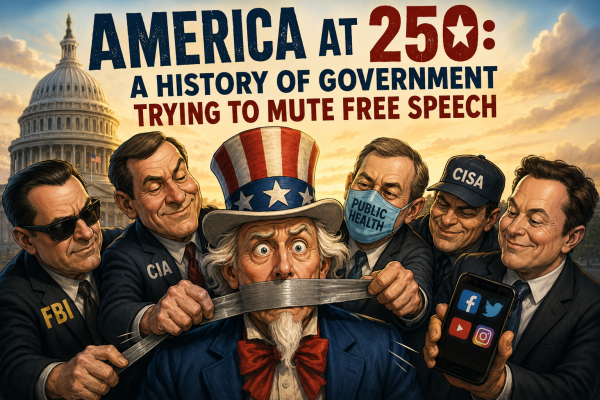
The First Amendment was ratified in 1791. Just seven years later, Congress passed the Alien and Sedition Acts, making it a crime to criticize the federal government. Since then, nearly every generation has been told that “this” crisis—war, communism, terrorism, or COVID—justifies limiting speech “for the greater good.” The slogans change. The excuses evolve. But one lesson has remained remarkably consistent for 250 years: governments don’t usually attack free speech head-on—they simply find a reason why yours should be the exception.