Trusted There. Restricted Here; Restoring Trust and Rights

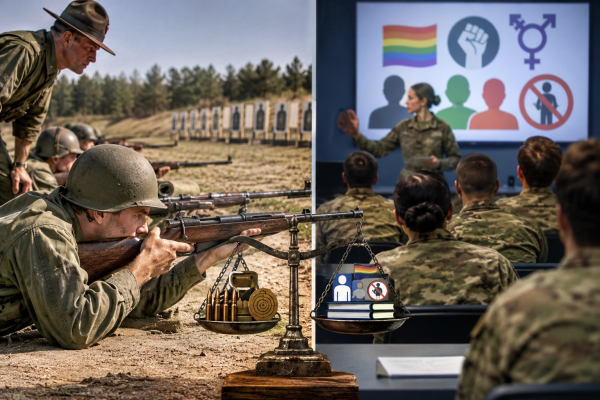
If we trust a service member overseas with a loaded rifle, real rules of engagement, and life-and-death decisions in a combat zone, it makes no sense to suddenly treat that same disciplined professional like a liability the moment they step onto a stateside installation; this policy correction acknowledges a simple truth long overdue—responsibility doesn’t evaporate at the gate. The men and women we entrust to defend the nation are trained, vetted, and held to standards far above the civilian baseline, and if we truly believe in that system, then extending reasonable trust for personal defense at home isn’t radical, it’s consistent. And if someone genuinely cannot be trusted with a firearm under controlled conditions on base, then the harder question isn’t about policy—it’s about why they’re in uniform in the first place.

Hormuz Isn’t Guadalcanal: Iran Is Playing Chess While We’re Still Planning Amphibious Landings

Somewhere in the Pentagon filing cabinets sits a 2017 document that reads less like doctrine and more like a warning label we ignored. The Joint Concept for Access and Maneuver in the Global Commons (JAM-GC) laid it out plainly: the United States wins wars because we can show up anywhere on earth, kick in the door, and maneuver freely across air, sea, space, and cyber. That’s our superpower. Not just firepower—access. And the bad guys figured that out.

A rescue worth $390 trillion: The world just saw American might and determination. Tyranny should tremble.

There are two types of people in the world this morning—those who are elated that the American military rescued the pilot and the weapons system officer of a downed F-15E deep in Iran, and then there are those who are unhappy. Whatever you may call the second group critics or communists, liars or losers, or dead-enders or Democrats, their rooting for Iran to prevail in this conflict is tedious and TDS.

Business with Iran: Intelligence Report by George Mcclellan

The Islamic Republic of Iran launched a religious war against us almost fifty years ago (1979), and we still don’t believe it. Before his overthrow, the Shah of oil-rich Iran, Mohammad Reza Pahlavi, was implementing modernization, Western ideals, and industrialization policies. A revolution occurred because the strict Islamists called the Shah’s government too restrictive, like Democrats are doing here today, causing the Shah’s government to quickly fall into the hands of the strict Islamic ideologues. It is regretted today!

Forward Operating Base Flathead, Part 2

In the first article of this two-part series I discussed how Forward Operating Bases (FOBs) in combat zones compare to tribal Indian reservations in the United States. That was a general overview from a sociological perspective. Now, my focus will be how they operate in negative ways against the United States, and sometimes themselves. The first article concluded with the following anonymous quote from a friend.

Forward Operating Base Flathead, Part 1

At first glance, Forward Operating Bases (FOBs) in Afghanistan and American Indian reservations in the United States appear to have little in common. One is a temporary military installation in a foreign war zone; the other is a legally defined homeland for Indians within the United States. Yet when examined through the lenses of geography, governance, control, and purpose, certain parallels emerge. Both systems created spaces of isolation, imposed forms of authority from outside the community, and produced unique social and economic environments shaped by those conditions. At the same time, important differences in purpose, sovereignty, and permanence distinguish the two. For my purposes, I will not yet discuss how the Flathead Indian Reservation is shared with other Montana residents.

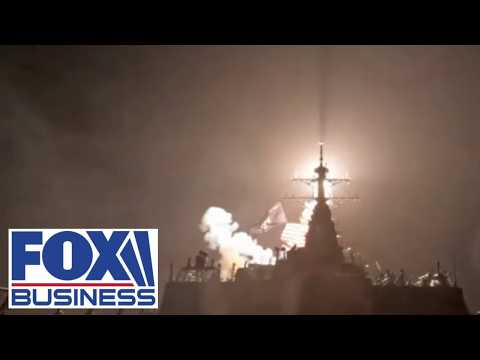
From Shield to Sword: Japan Quietly Loads the Tomahawk

There was a time—not long ago—when the Japan Maritime Self-Defense Force operated like a disciplined sentry: alert, capable, and formidable, but fundamentally reactive. Their destroyers were built to defend sea lanes, hunt submarines, and intercept incoming threats, not to reach deep into an adversary’s homeland. That posture wasn’t an accident. It was the product of history, law, and a deliberate national choice to remain a shield in a dangerous neighborhood. But shields, as it turns out, are only comforting until someone realizes they don’t have to stand in front of them.

Today’s No Kings, Pro-Iran Quislings: A Reminder of America’s Vietnam War Turncoats

I thought I had seen the last of traitorous Americans cursing our soldiers or calling for them to be killed when the last American combat troops were pulled out of Vietnam following the 1973 Paris Peace Treaty. After the disgusting display by anti-American, pro-Iran thugs in Philadelphia and the perfidious “No Kings” protestors last weekend, it appears I was wrong.

When Deployment Felt Like Relief: The Pre-9/11 Army We Pretend to Forget

Büdingen, Germany, late ’90s. The barracks were “historic,” which was Army-speak for old, fragile, and nobody wants to pay to fix it. The plumbing was past its expiration date—backups, leaks, that constant low-grade stench that never quite left your clothes. And that’s where we put our enlisted soldiers. The pitch from leadership bordered on parody: “You’re living in a historic building—Adolf Hitler once gave a speech here. See the photo!” That didn’t land. Not even close.

The Flying Persian MoPed of War: Why the Shahed-136 Is Everyone’s Problem

The Shahed-136 is not a masterpiece of engineering. It’s not stealthy, not fast, not elegant, and certainly not impressive in the way a fifth-generation fighter is. It sounds like a weed whacker with anger issues. It flies like a lawn dart with a GPS addiction. And yet—this ugly little flying triangle has exposed a brutal truth about modern warfare: You don’t need to be advanced to be effective. You just need to be cheap, numerous, and good enough.

Teeth Sharpening: Telling the Stories of Grown Men Through Children’s Books

"No, David!" by David Shannon cover illustration.

Can a 5-year-old with sharpened teeth tell the story of grown men? If you give him a talented author and illustrator, 30 pages and 60 words, why, yes. Yes, he can. David Shannon wrote “No, David!” nearly three decades ago. He based it on a book he made and illustrated as a child. The only words in it were “no” and “David.” Who can’t relate?

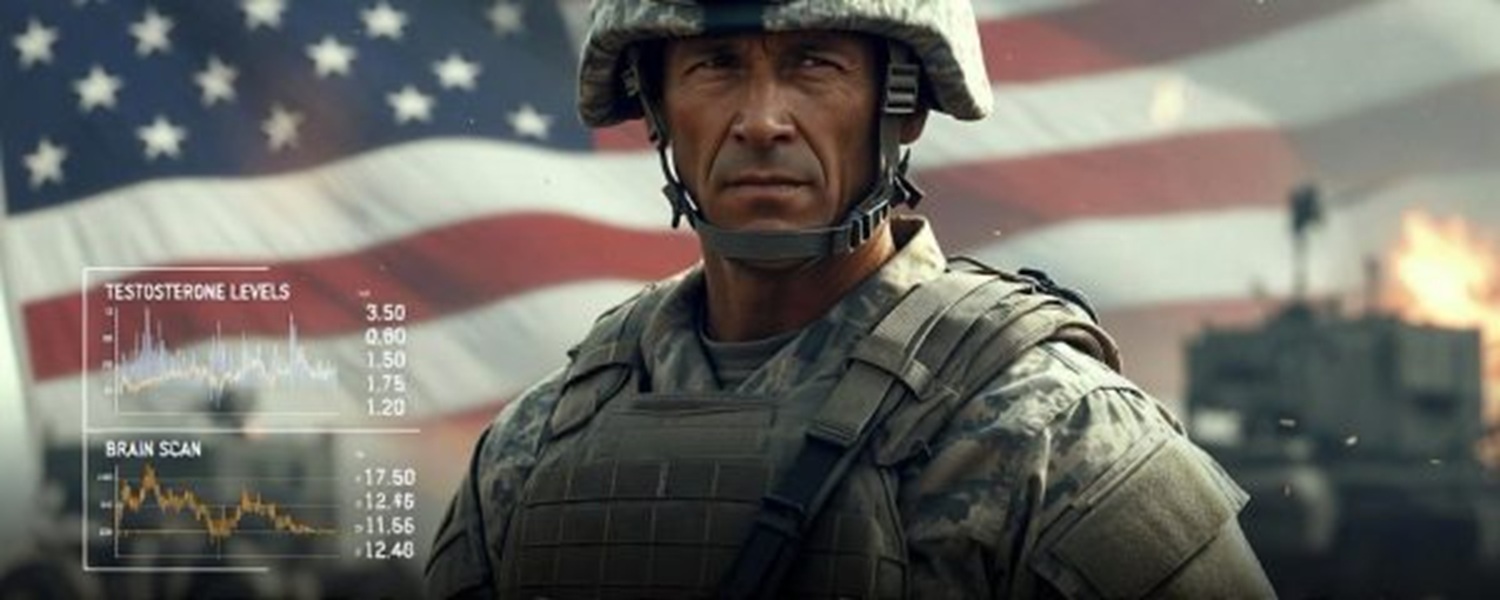
Cognitive Warfare: The Fight You’re Already In (Whether You Know It or Not)

NATO didn’t invent cognitive warfare, but they did something important: they named it. And once you name something, you can’t pretend it isn’t there. Their definition isn’t wrapped in science fiction or Hollywood nonsense. It’s blunt. Cognitive warfare is about influencing or disrupting how people think in order to shape what they do. Not just soldiers, not just leaders—everyone. Entire populations. Allies, adversaries, and increasingly, your own backyard.

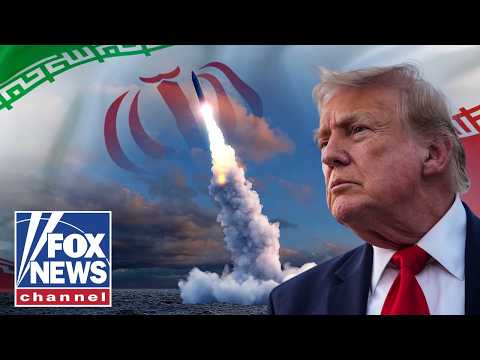
Iran’s allies flee; Adversaries fear the domino effect of another Trump victory

After 25 days of Operation Epic Fury, adversaries are making moves that show they want no part of an Iran that it is losing. Even Iran’s biggest supporter—Russia—is saying no mas. Now that Iran cannot provide Putin’s army with drones, he doesn’t need them.