Federalist 73; On Presidential Salary and the Veto
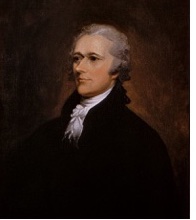
Hamilton continues his series on the nature of the Presidency by discussing both the Presidential salary and the veto power assigned to that office.
Citizen Writers Fighting Censorship by Helping Americans Understand Issues Affecting the Republic.
Hamilton continues his series on the nature of the Presidency by discussing both the Presidential salary and the veto power assigned to that office.
Presidential Term Limits are a two-sided issue balancing necessary powers of the presidency, with checks and balances that prevent a return to monarchy.

Hamilton continues in Federalist 71 to explore the nature of the presidency, specifically limits on how long presidents may serve.
Hamilton: “Energy in the Executive is a leading character in the definition of good government.” However, there is a downside to an energetic presidency.
Hamilton as Publius, discusses the differences between the nature of our President, European Kings, and even the Governor of New York.
Federalist 68 describes the Founders’ concerns over choosing our Presidents and the dangers of doing so by “popular vote.”
The Left is in turmoil, with support rapidly declining as its ranks disintegrate. Two paths lie before us. The path forward with President Donald Trump promising to make the United States and the Western Hemisphere free of evil and prosperous for all.
Hamilton turns here, and for the next eleven Federalist Papers, to the subject of the Presidency, an important topic, today more than ever.

Mike Borowski is the latest addition to AFNN’s stable of awesome writers. A retired combat medic, Mike has a no-holds-barred manner of broaching uncomfortable subjects. Welcome aboard Mike!

It will be of little avail to the people, that the laws are made by men of their own choice, if the laws be so voluminous that they cannot be read, or so incoherent that they cannot be understood;
Mr. President, for more than three years, together with friends and colleagues in the organization Cyrus Force, we have argued that the crisis between Iran and the West cannot be solved permanently through military confrontation, temporary ceasefires, sanctions alone, or emotional political slogans.
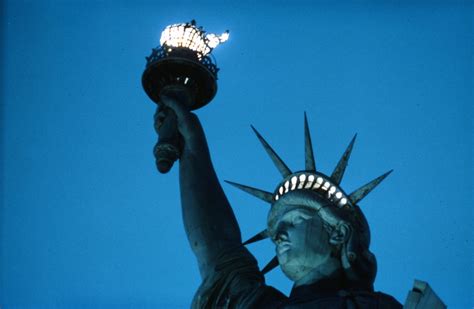
What are the top 5 reasons the United States is the greatest nation ever conceived by mankind?

There’s some silliness in Earl Ofari Hutchinson’s concluding statement about the San Diego mosque killings: (Cain) Clark and (Caleb) Vazquez’s hideous rampage almost certainly would have been treated as a murder, charges if they had lived. But in the hands of the Trump DOJ they may well not have been slapped with federal hate crime …
John Parillo explores more on the unique nature of our Lower House, The People’s House
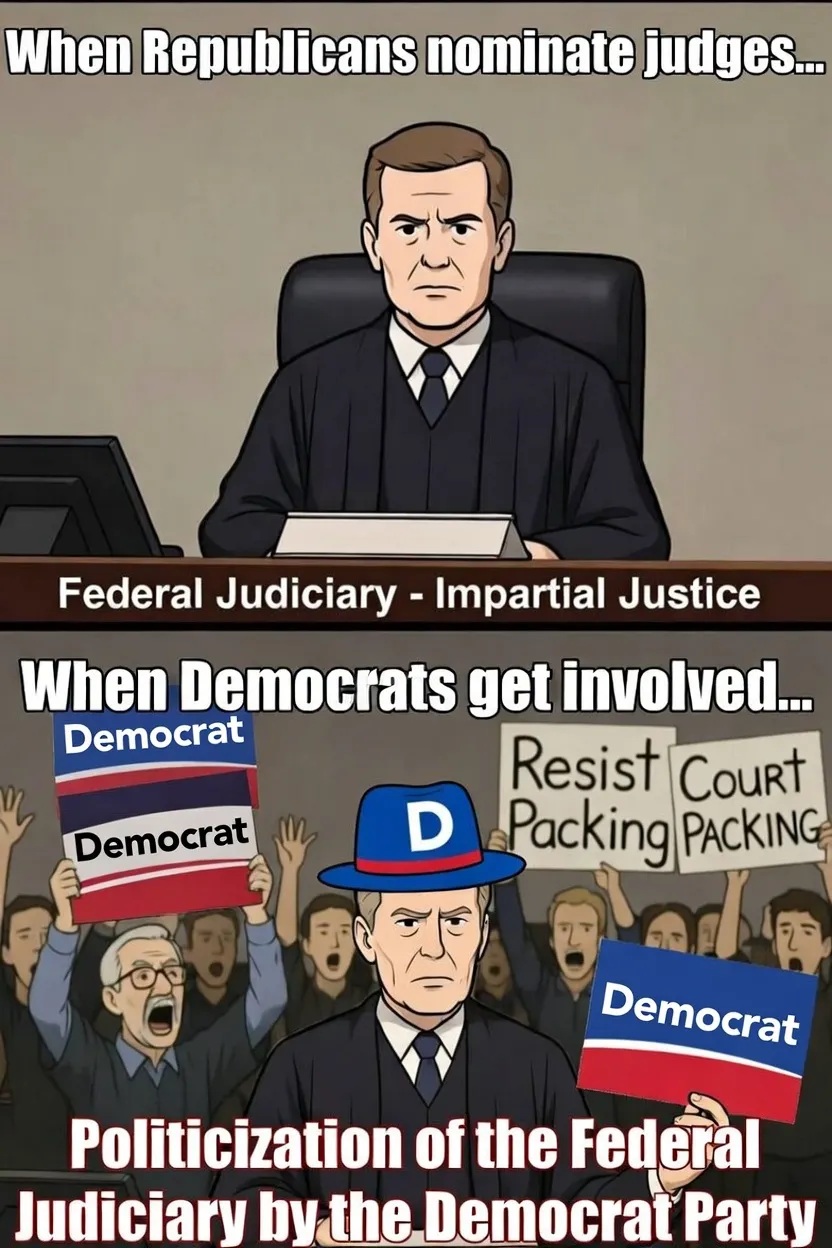
“So long as the judiciary remains truly distinct from both the legislature and the Executive. … [L]iberty can have nothing to fear from the judiciary alone, but would have every thing to fear from its union with either of the other departments.” — James Madison, Federalist No. 78
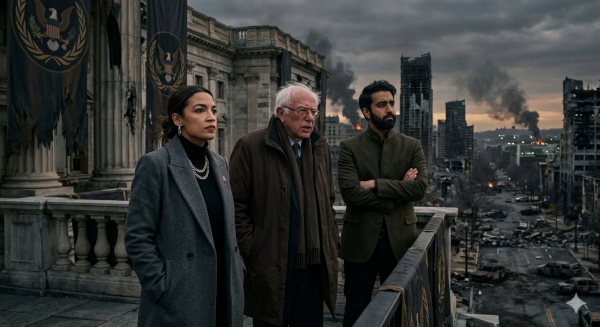
I would agree with Senator Bernie Sanders on one thing – we must oppose the oligarchy! But what, or who, exactly is that? And does Bernie even know what he is talking about?
Let us start by defining an oligarchy – which is a small elite group, usually very well-off (wealthy), who use their positions to serve themselves (note – not serve the people)…This is not politics; the democrat oligarchy is undertaking a Blood Revolution to subvert and destroy America. That is why AOC said she is not interested in titles, her goal is to change the country. Believe her, Bernie, Mamdani and other democrat oligarch, as they all want to change our country forever.

The Second Amendment guarantees the right to bear arms, but unfortunately not all those who bear arms today are responsible.
Before Donald J. Trump arrived on the political stage, Black Lives Matter and Antifa already owned the streets of Portland, Oregon, in part, because law-abiding Americans were not allowed to protect themselves: The Second Amendment did not exist.
Out of the darkness and into the light is a metaphorical phrase that means moving from despair, sadness, or negativity to a state of happiness, peace and positivity. It often describes a personal journey of overcoming challenges and finding renewal.
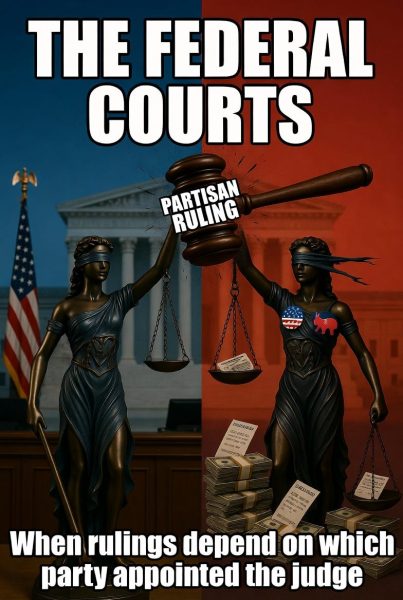
Many rank-and-file Republicans and political commentators have expressed shock at the unprecedented lawfare being employed by the Democrat Party and its political allies against President Trump during his second term. Over 700 lawsuits have been filed against the Trump administration, and the number of executive orders impeded/blocked by Democrat/leftwing activist judges currently exceeds 200 (full and partial).